How our graduation project evolved into a real-world transportation management platform.
Every day, thousands of employees spend hours commuting.
Late buses.
Unclear pickup locations.
Phone calls between drivers and passengers.
No visibility into seat availability.
No way to know where the bus actually is.
These aren't just transportation problems—they're operational problems that affect productivity, time, and user experience.
As Software Engineering students, we wanted to ask ourselves a simple question:
Can technology make daily transportation smarter, more predictable, and more efficient?
That question became SWIFT GO.
What is SWIFT GO?
SWIFT GO is a smart transportation platform designed to simplify shuttle and fleet management for companies, universities, and organizations.
Instead of relying on spreadsheets, phone calls, and manual coordination, SwiftGo digitizes the entire transportation experience for both passengers and drivers.
Our goal wasn't simply to build another ride-hailing application.
We wanted to create something different:
A scheduled transportation system where every trip is organized, trackable, and optimized.
The Problem
Traditional transportation management usually suffers from several challenges:
Limited visibility of vehicle locations
Manual passenger coordination
No live trip tracking
Difficulty managing available seats
Poor communication between drivers and passengers
Time lost due to inefficient scheduling
These problems become even more noticeable when managing hundreds of employees across multiple daily routes.
Designing the Solution
SWIFT GO consists of multiple integrated applications working together:
Passenger Mobile Application
Driver Mobile Application
Backend API
Administration Dashboard
Real-time GPS Tracking Services
Each component was designed to solve a specific part of the transportation workflow.
Passenger Experience
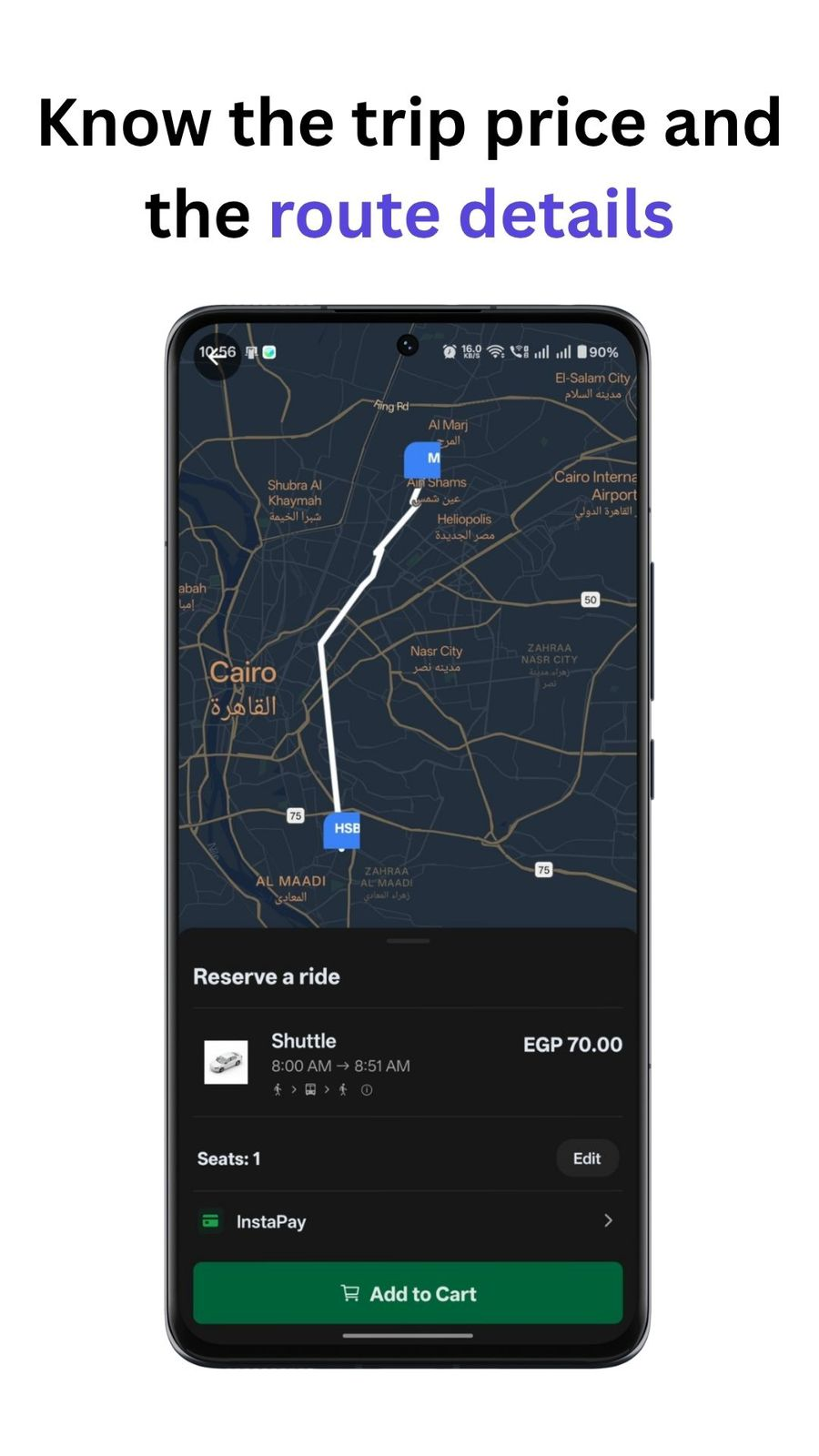
The passenger application focuses on making transportation simple.
Instead of contacting the driver manually, passengers can:
The reservation process requires only a few taps.
Everything the passenger needs is available inside the application.
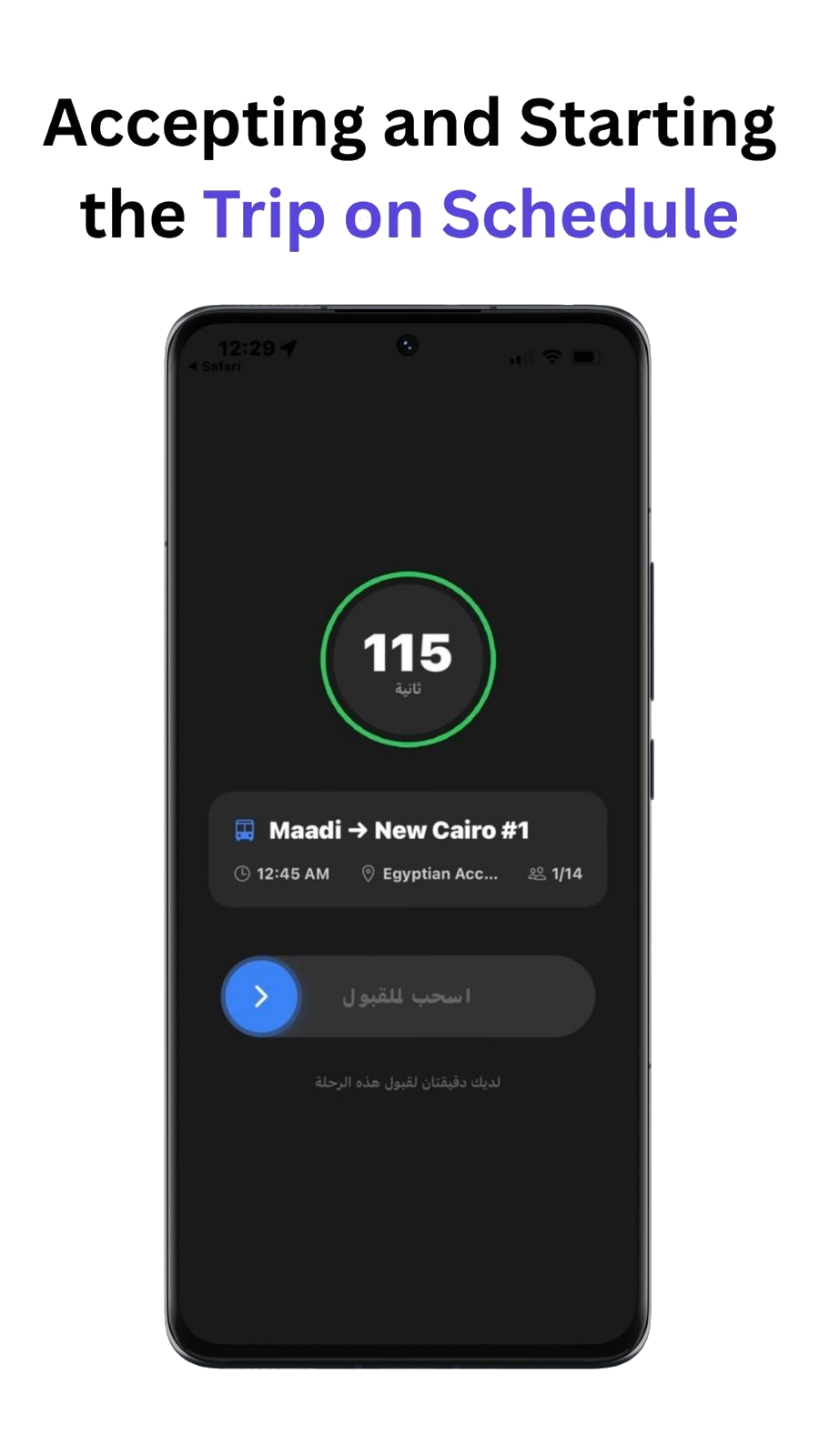
Driver Experience
Drivers have a completely different interface designed around operational efficiency.
Using the Driver App, they can:
The application continuously updates the driver's location, allowing passengers and administrators to monitor trip progress in real time.
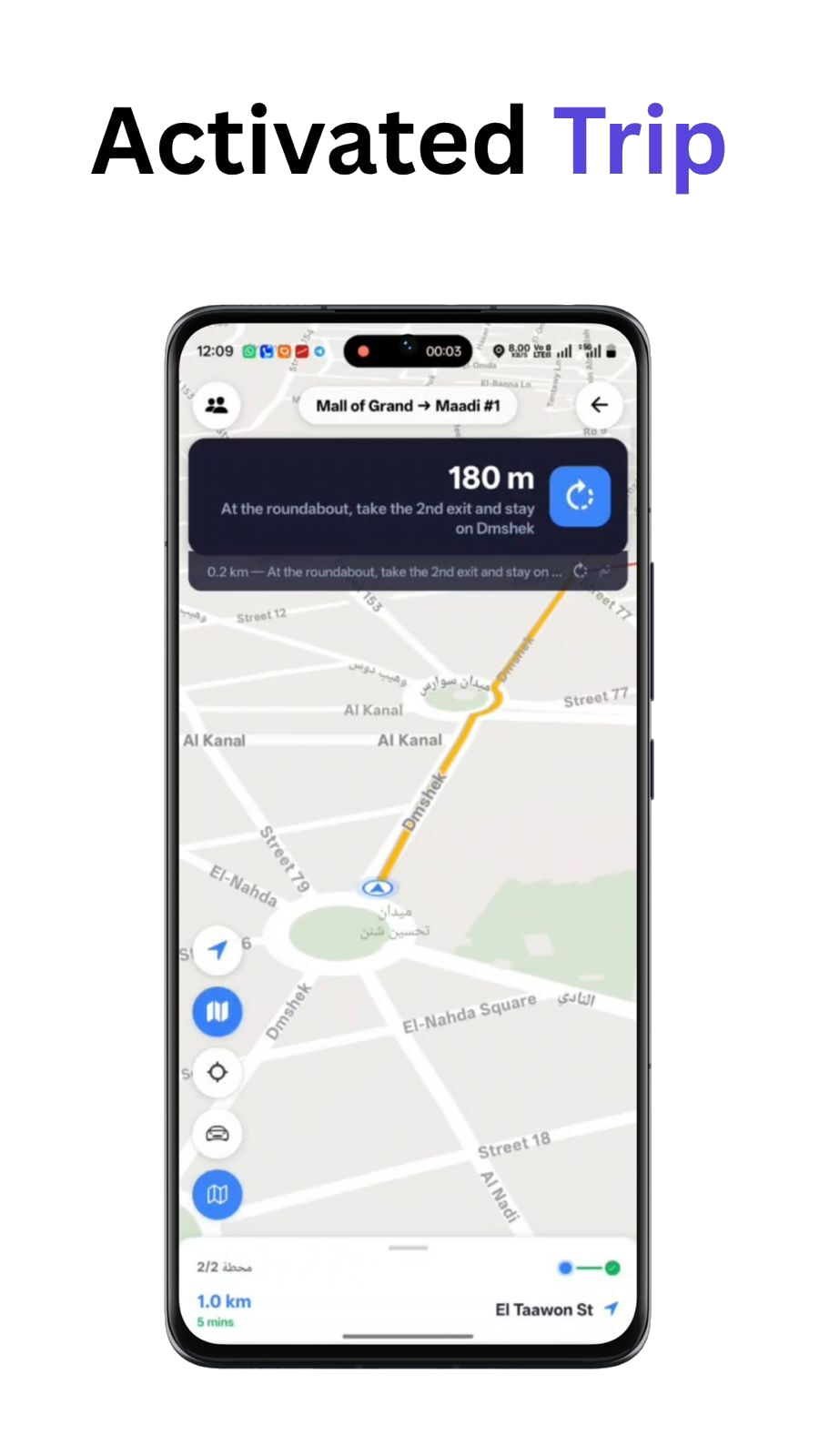
Real-Time Tracking
One of the most important features of SwiftGo is live GPS tracking.
Passengers no longer need to wonder:
"Where is the shuttle?"
Instead, they can follow the trip as it progresses between pickup stations.
Real-time tracking also allows administrators to monitor transportation performance and quickly identify delays.
Smarter Route Management
Transportation isn't only about maps.
It's also about planning.
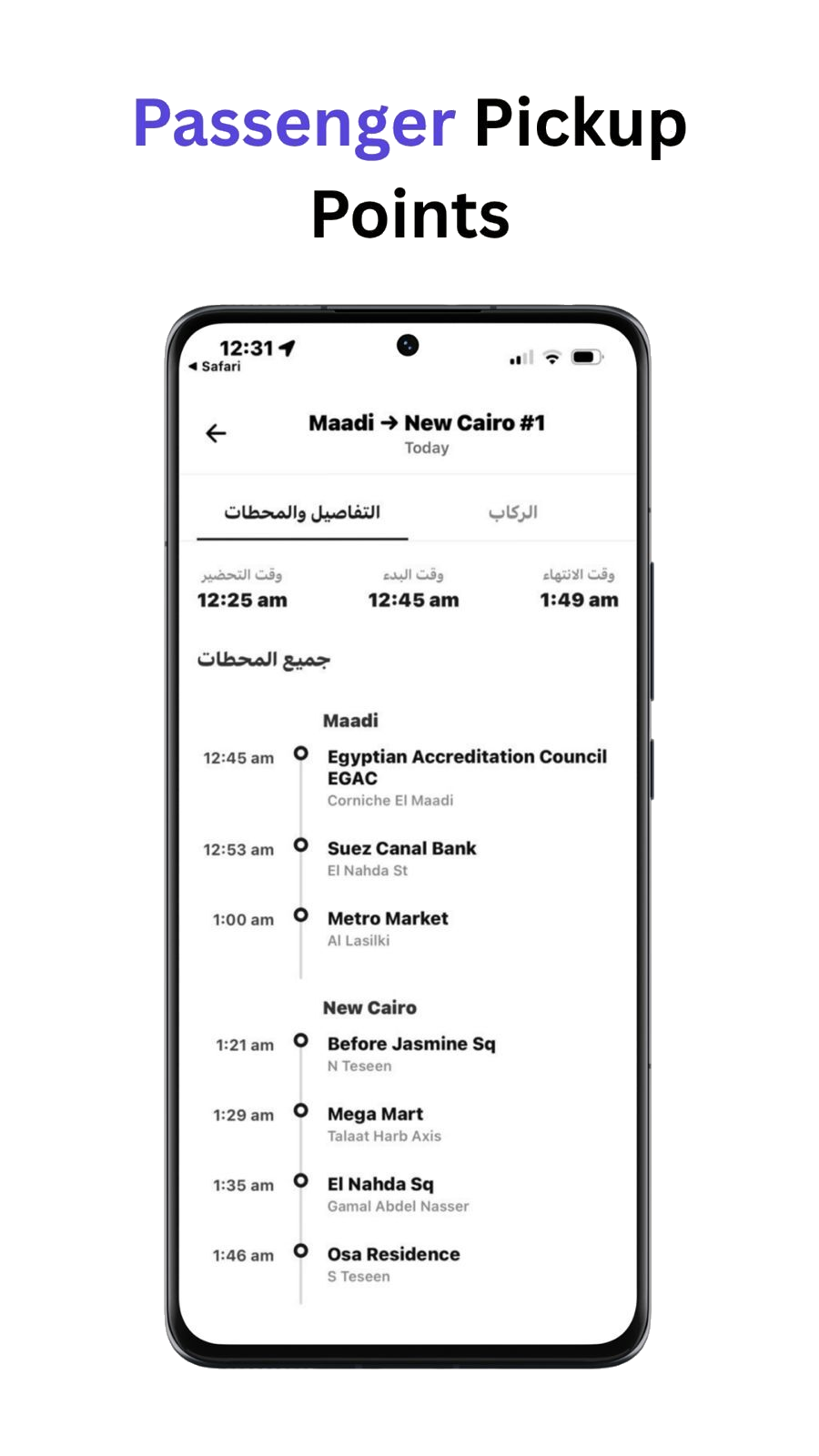
SWIFT GO allows users to:
Explore available routes
View detailed station lists
Check estimated arrival times
See trip duration
Monitor seat availability before booking
If a desired route isn't available, users can even submit a route request, helping organizations understand transportation demand before launching new routes.
Building the System
Developing SWIFT GO required much more than designing user interfaces.
Behind every screen is a complete software architecture.
The project includes:
Mobile Development
Backend
Database
Authentication
- JWT Authentication
- Role-based Authorization
Maps & Navigation
Google Maps API
Directions API
Geolocation Services
Notifications
Development Practices
Challenges We Faced
Like any real software project, SwiftGo wasn't built without obstacles.
Some of the biggest technical challenges included:
Synchronizing Seat Reservations
Preventing multiple users from booking the same seat at the same time.
Live Location Updates
Balancing GPS accuracy with battery consumption.
Trip State Management
Handling every trip stage correctly:
Waiting
Accepted
Started
Active
Completed
Performance
Ensuring maps and route information load quickly without affecting the overall user experience.
What We Learned
SWIFT GO became much more than a graduation project.
It taught us how software engineering works beyond writing code.
Throughout the project we gained practical experience in:
Requirements Engineering
UI/UX Design
Database Design
Mobile Development
Backend Development
API Integration
Testing
Debugging
Team Collaboration
Version Control
Project Management
Most importantly, we learned how to transform a real business problem into a complete software solution.
Looking Ahead
Although SWIFT GO already provides a complete transportation management workflow, we see many opportunities for future improvements.
Some ideas include:
AI-powered route optimization
Demand forecasting
Predictive fleet maintenance
Driver performance analytics
Fuel consumption optimization
IoT integration
Intelligent scheduling recommendations
These features could help organizations make even smarter transportation decisions using data.
Final Thoughts
SWIFT GO started as a graduation project.
Today, we see it as proof of what a motivated Software Engineering team can accomplish when solving a real-world problem.
Building this platform challenged us technically, strengthened our teamwork, and gave us experience that goes far beyond the classroom.
This project reminded us that great software isn't just about writing code—it's about understanding people, solving problems, and creating technology that makes everyday life a little easier.
We're proud of what we've built, and we're excited to continue improving SwiftGo in the future.
Thank you for reading!
Interested in the project or have feedback?
I'm always happy to connect with fellow developers, recruiters, and software engineers.
GitHub: https://github.com/fadydesoky
LinkedIn: https://www.linkedin.com/in/fadydesokysaeedabdelaziz
Email: fadydesoky45@gmail.com