Look, not every project needs a full stack. Sometimes you just need to ship something — a prototype, an internal tool, a landing page — without spinning up a whole repo and CI/CD pipeline. That's where this new wave of AI-powered no-code and vibe-coding tools comes in.
I've been poking around a bunch of them lately. Here's what's worth your attention.
explain.codes — When You Need to Understand, Not Just Copy
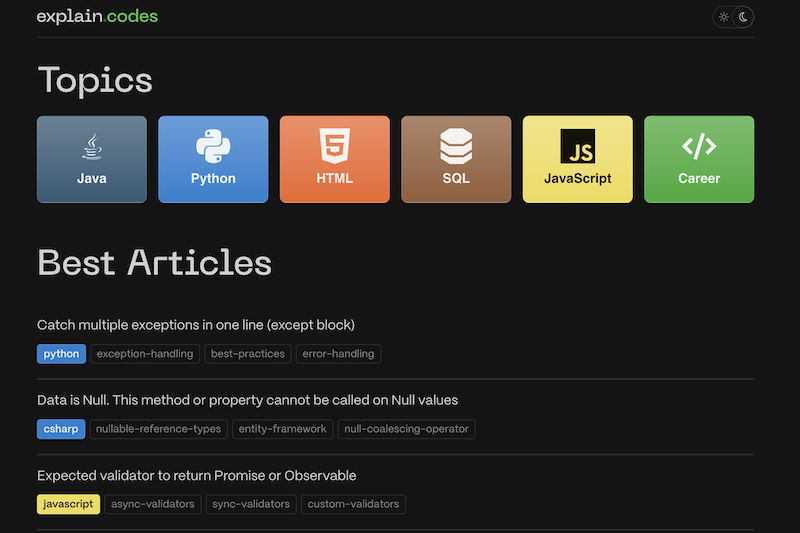
Before anything else: explain.codes is your "wait, what does this actually do" bookmark. It covers Python, JavaScript, Java, SQL, HTML, and more — written in plain language with real examples.
It's not a builder, it's a reference. But if you're working with AI-generated code (from any of the tools below) and something looks off, this is where you go to actually understand what's happening instead of just re-prompting and hoping.
Instructa — The Course That Teaches You to Build With AI
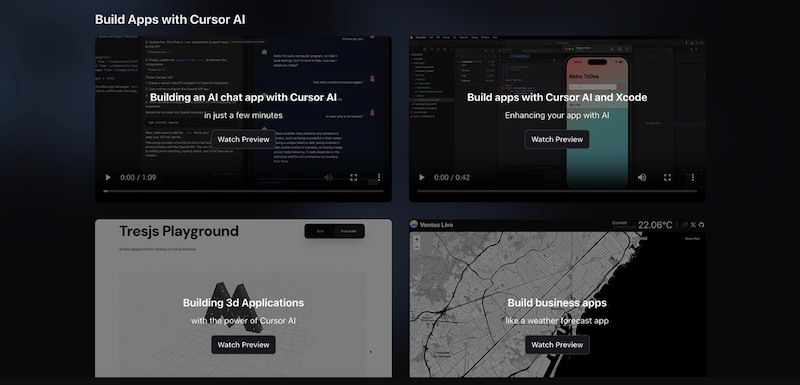
If you want to go deeper than just vibing with prompts, Instructa is a structured academy for learning AI-assisted software development. 80+ video lessons, planning prompts, Discord community, regular updates.
It's developer-focused — you learn how to go from idea to roadmap to working product using AI as your co-pilot. More systematic than most "learn to code with AI" content out there.
Unicorn Platform — Fastest Landing Page You'll Ever Ship
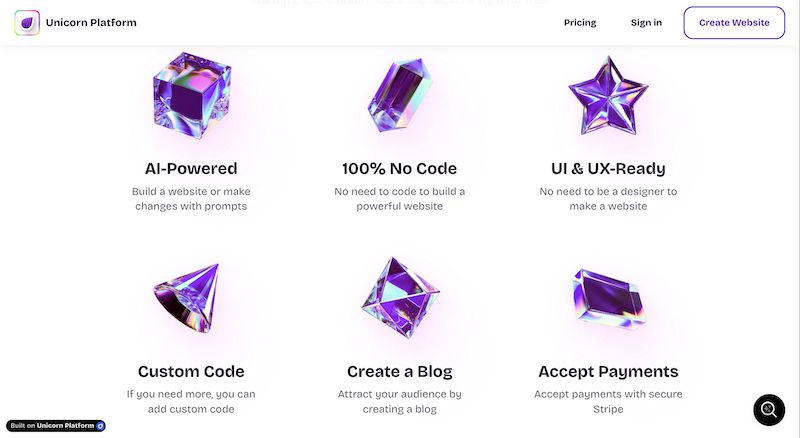
Unicorn Platform is an AI website builder for devs and founders who just need a landing page live TODAY. Describe your project, get a clean site. Works well for SaaS, apps, directories, personal portfolios.
No messing with templates for hours. It's the kind of tool you use on a Sunday afternoon when you want to validate an idea before writing a single line of backend code.
Metatable — Full-Stack App Builder, Actually
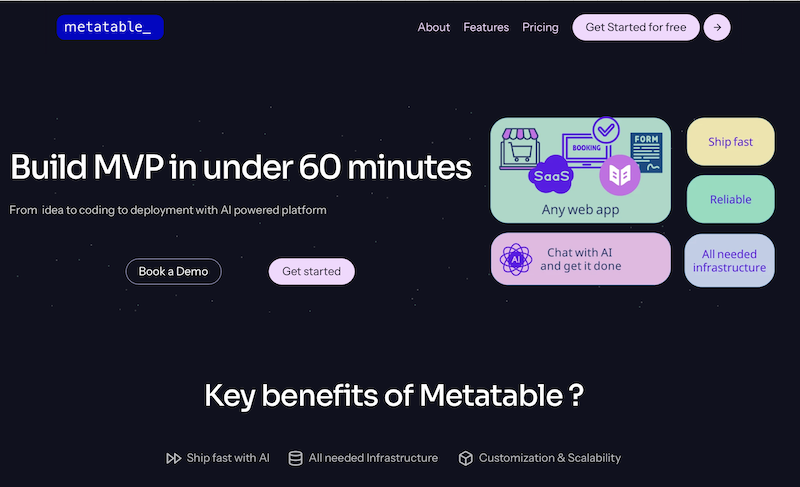
Metatable is more serious. You give it your app idea, it drafts technical requirements, then an AI agent writes both frontend and backend code — and checks for errors before deploying.
It's spec-driven, which is the right approach. Use cases range from inventory tools to field management to agency ops. If you're a solo dev who wants to ship a real product faster, this is worth a proper look.
Atoms.dev — An Entire AI Team in One Platform
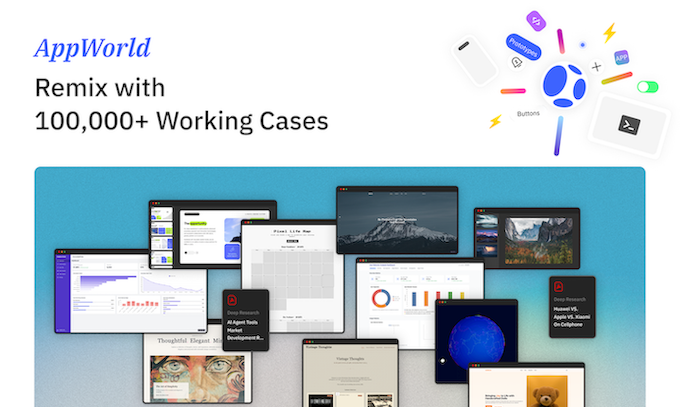
Atoms.dev is the most ambitious one on this list. Instead of one AI assistant, you get a whole crew: engineer, product manager, SEO specialist, data analyst, researcher. Each handles a different slice of building and launching a product.
You describe what you want — SaaS, internal tool, game, landing page — and the AI team validates it, builds it, and helps you acquire users. No coding required. It's still early-days territory, but the concept is smart: most people don't need a code editor, they need leverage.
Eloquens AI — Automate Your Inbox Before It Automates You
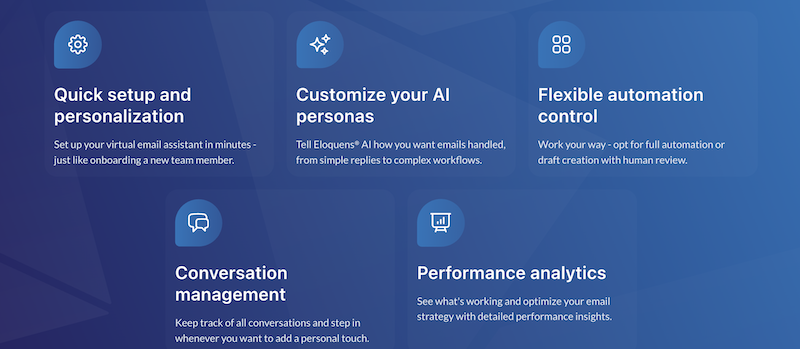
Eloquens is different from the rest here — it's not about building products, it's about handling the communication that comes after. Specifically, email. It reads your incoming messages (content and context both), and drafts responses automatically, 24/7, in any language.
For developers building SaaS products, this becomes relevant fast once you start getting real users. Customer support emails don't stop coming. Eloquens is built by IgniteTech and has proper press coverage behind it — not a weekend project.
A Note on Webdraw
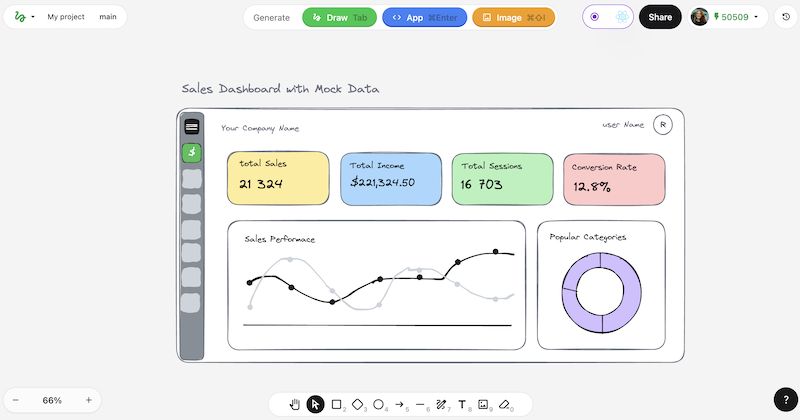
Webdraw.ai was on my radar but the site currently redirects to a "Thank You for the Journey" page — looks like it shut down or pivoted. Keeping it here as a reminder that this space moves fast. Not everything sticks.
Bottom Line
The vibe-coding wave isn't replacing developers — it's changing where developers spend their time. Less boilerplate, more product decisions. Tools like Metatable and Atoms.dev are genuinely useful for prototyping fast. Unicorn Platform handles the boring landing page problem. Instructa and explain.codes keep you sharp when the AI does something weird.
If you're a dev who wants to ship side projects faster or explore the no-code space from a technical angle, start with one of these and see where it takes you.