An event notification looks like a neat starting point for automation. A form is submitted, a record changes, or another system announces that a job is ready. The first design question is often which AI action should follow. A more useful question is what should happen if the same event arrives again.
Relay App introduces webhooks and HTTP alongside AI actions, data transformations, and human review. Its current About page describes an independently operated site with source-attributed examples from original Relay.app material. Those examples can support a workflow design discussion. They do not establish the runtime guarantees of an integration, and no live webhook automation was executed for this article.
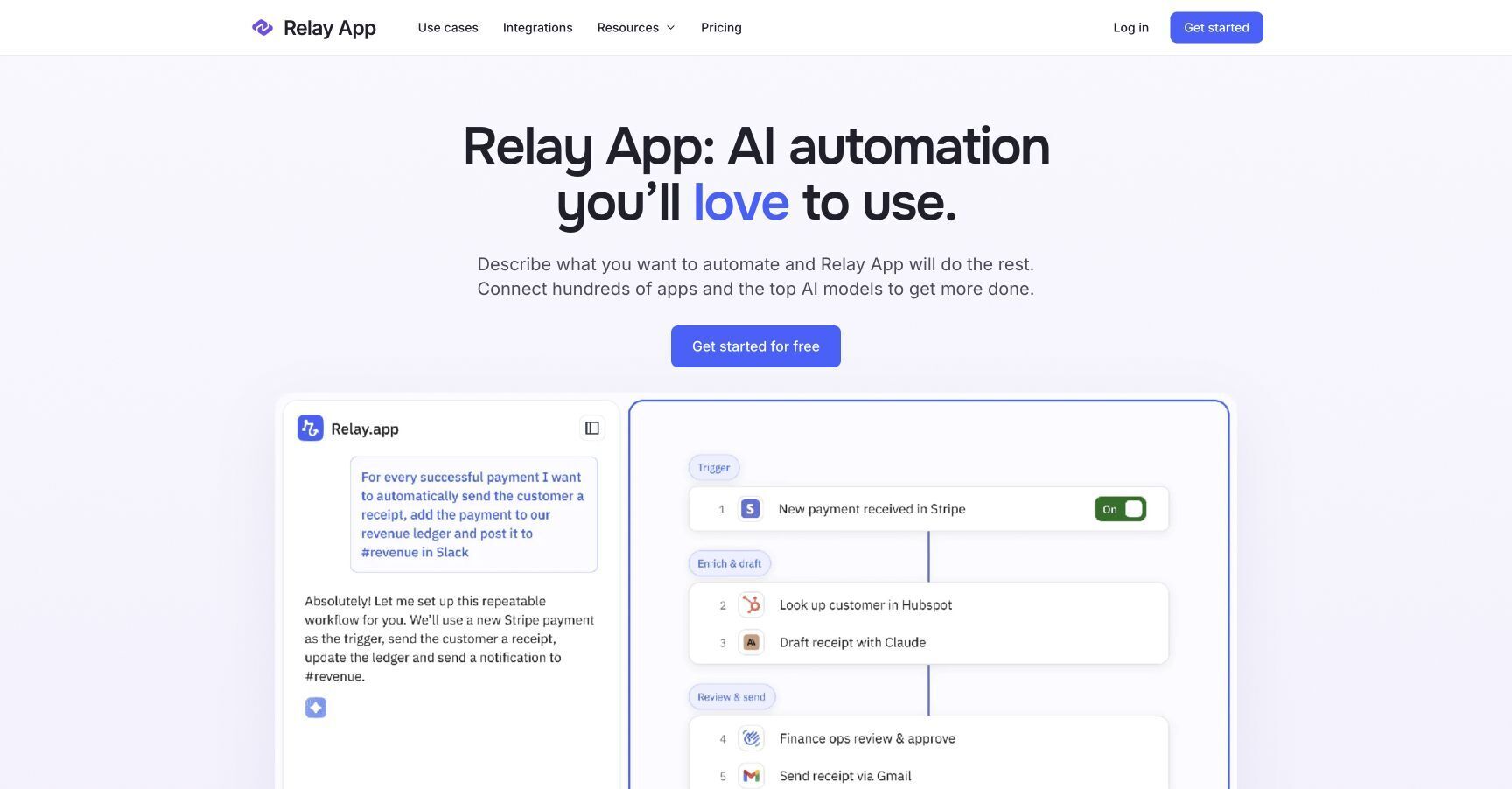
Decide what counts as one event
Imagine a form submission that should become a lead review draft. An illustrative workflow extracts the submitted fields, classifies the request, and presents a summary to a salesperson. Sending a second draft for the same submission would create confusion even if neither draft were automatically delivered to the prospect.
Start by choosing an event identity. A source-provided submission ID is often more useful than a timestamp. Write down whether an updated submission is a new event, a revision of the existing event, or something the process should ignore. That choice affects the data model and the review experience.
Do not assume that an arbitrary hash of the whole payload answers the question. A minor formatting change can produce a different hash for the same business event. Conversely, identical text can come from two separate requests. The identifier should represent the event you intend to process.
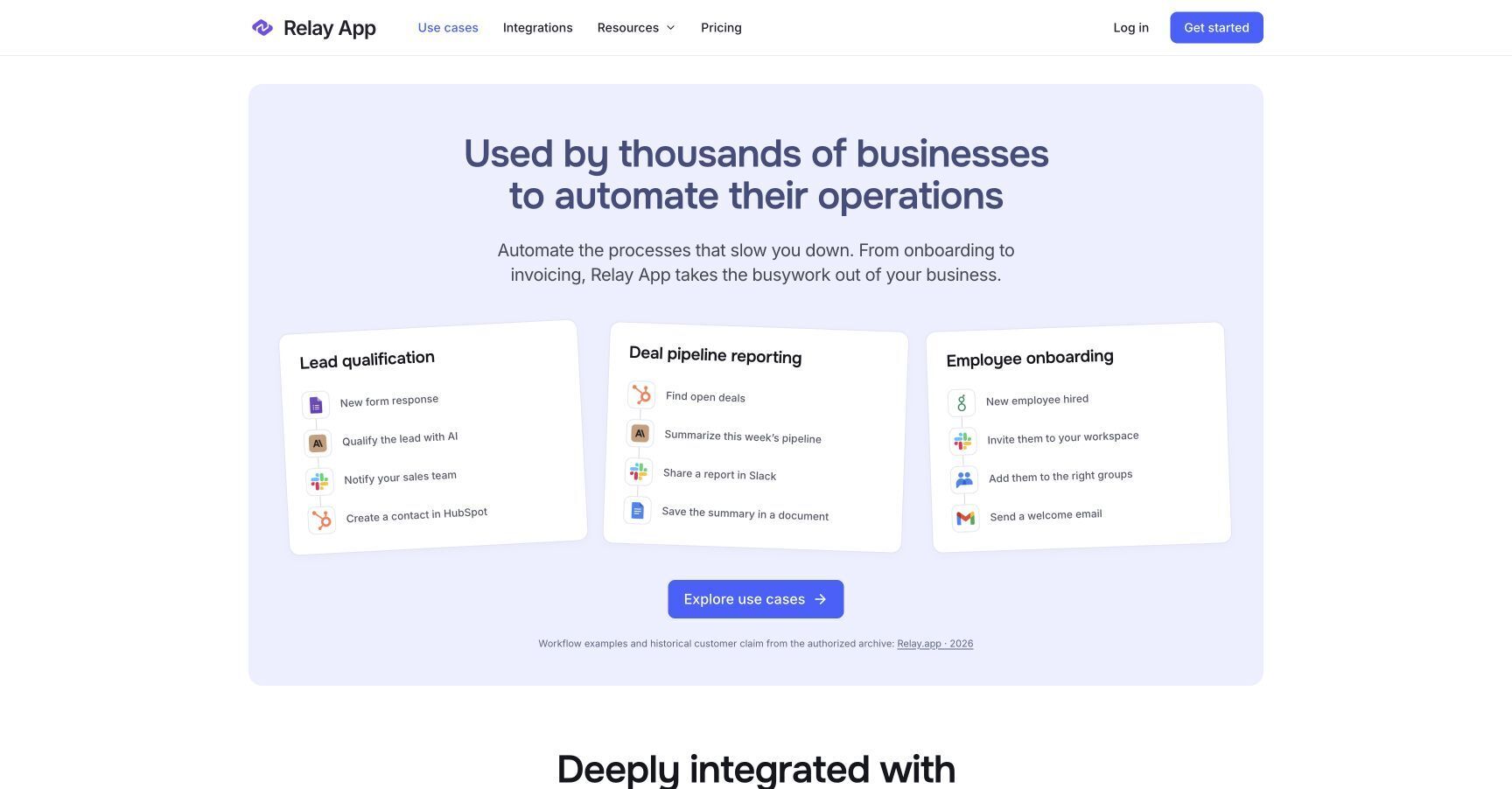
Separate receiving from acting
Receiving an event and completing its consequences are distinct moments. A workflow may acknowledge receipt, validate the payload, prepare a draft, and wait for review. Each step needs an observable outcome. A single completed flag hides too much when something fails in the middle.
Relay App's trigger descriptions include events sent by another service, while its AI sections explain extraction and classification. Together they suggest a useful planning sequence: establish the source, validate the data, then ask the model to perform a bounded task. Do not let the model infer missing identifiers that the receiving process requires.
Keep the original source reference beside the extracted fields. If a reviewer questions a classification, they need to inspect the input that produced it. A readable summary is useful, but it should not replace the event evidence needed to resolve a disagreement.
Treat uncertain delivery as its own problem
Suppose an approved draft should create a record in another system. The request times out after the destination accepts it. Retrying immediately might create a duplicate. Declaring failure might leave a valid result that the workflow cannot account for.
A proposed implementation can retain an operation ID, use an idempotency mechanism when the destination supports one, and inspect the external record when acknowledgement is uncertain. Those are engineering options to verify in the chosen service. They are not promises made by the homepage's webhook illustrations.
Before building, list which actions are harmless to repeat and which require a check. Re-reading a source and sending a customer message have different consequences. A retry policy should reflect the action, not simply apply the same number of attempts to every step.
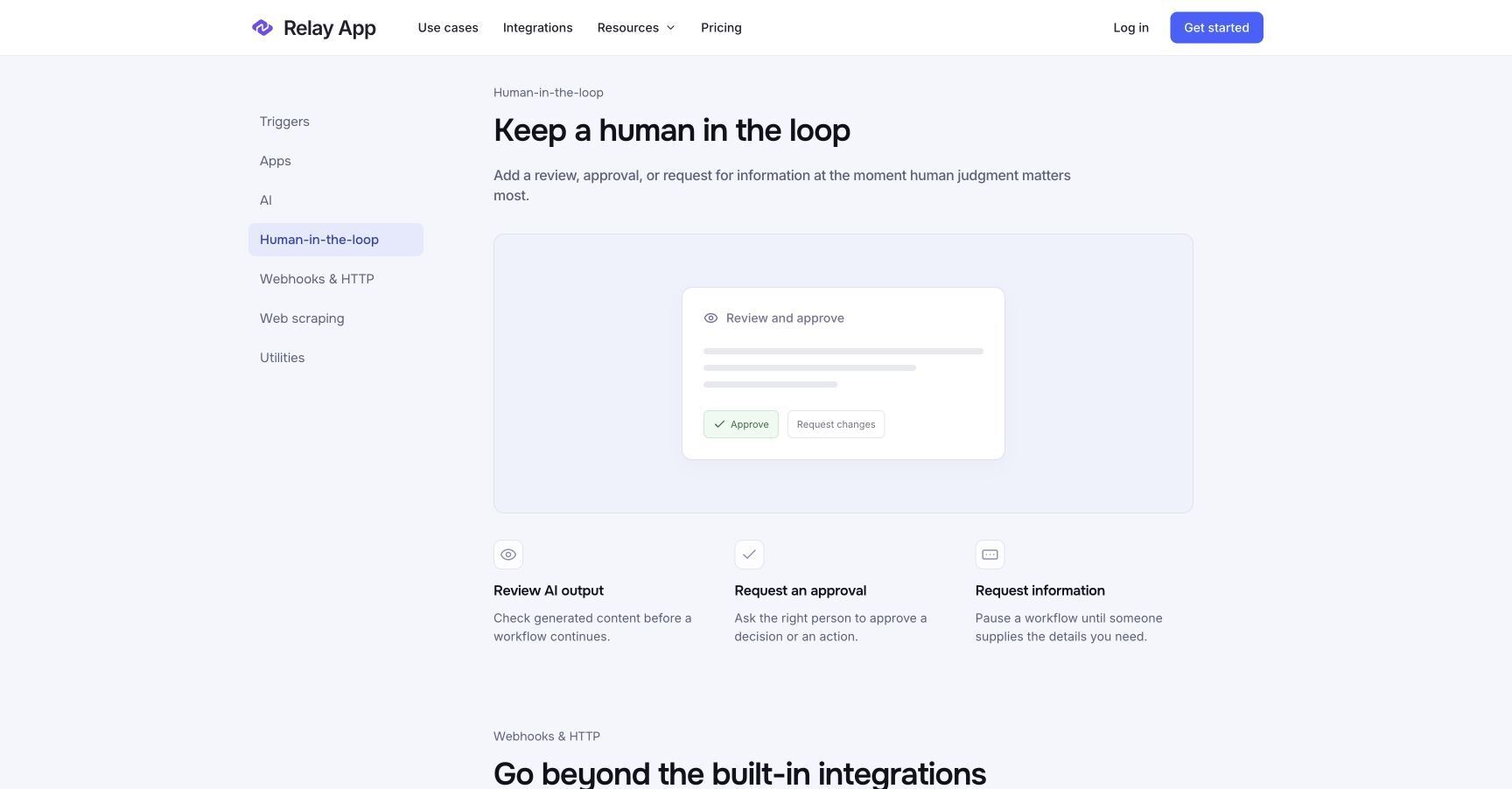
Give the reviewer useful evidence
The site's human review examples distinguish approval, output review, and requests for information. A repeated event can require a different review decision from the original submission. Show the event ID, previous processing state, current draft, and reason for requesting another review.
For a practical test, send one example twice and compare the resulting artifacts. Then test a revised event with the same business identity. The expected outcome should be written before the run: one unchanged draft, a replacement draft awaiting fresh approval, or a visible exception.
A trigger is only the beginning of the process. A clear event identity and a plan for uncertain external actions make the rest of the design easier to discuss. Use the public workflow examples to draft that plan, then verify its behavior in the actual service before using real customer data.