Orchestrating Enterprise Scale: Maximising ROI Through Specialised Cloud ERP Systems
In the modern corporate ecosystem of 2026, mid-market enterprises and rapidly growing companies face a significant technological tipping point. As transaction volumes expand, global supply chains diversify, and multi-subsidiary corporate setups introduce regional accounting complexities, standard off-the-shelf software platforms inevitably reveal their functional limitations. Moving up to an enterprise resource planning (ERP) powerhouse like NetSuite is a crucial step toward achieving operational unity. However, implementing such a robust digital engine is an incredibly complex undertaking. Without expert guidance, organisations often suffer from poor implementation, misconfigured charts of accounts, and broken data integrations. To protect this major technology investment and unlock true automated financial control, businesses systematically turn to premium netsuite accounting services to align their software setups with strict corporate accounting realities. Relying on tech-enabled accounting experts like www.bobsbookkeepers.com allows modern enterprises to turn their complex ERP databases into a streamlined engine for business growth.
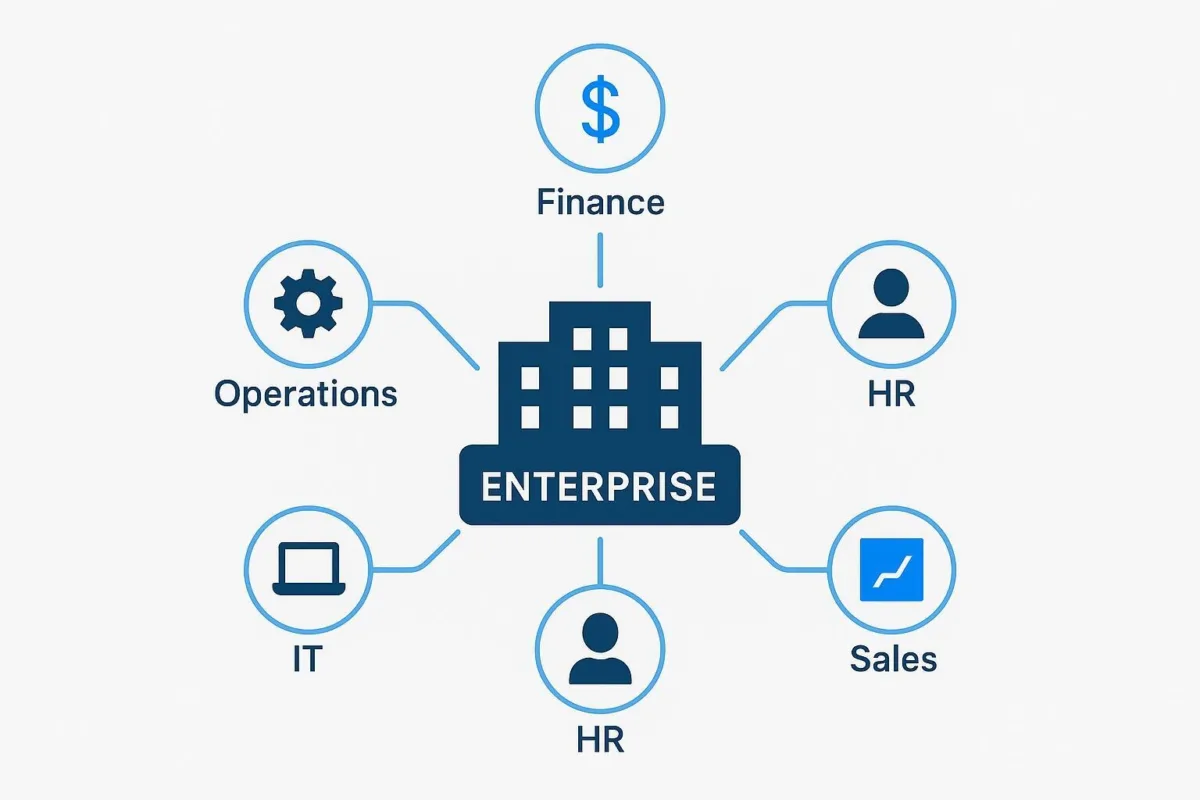
The Financial and Architectural Pitfalls of Mismatched ERP Configurations
The primary reason ERP implementations fail or stall underwhelm is not due to a lack of software capability, but a lack of technical and financial design during configuration. NetSuite is highly customizable, meaning it must be intentionally configured to match a company's specific operational workflows, revenue recognition policies, and tax environments from day one.
When non-specialists handle configuration, the chart of accounts often becomes overly cluttered, leading to broken data fields and slow report generation. Automated bank feeds disconnect, data entries require manual corrections, and the automated reconciliation tools fail to match invoices with deposits correctly. Specialised netsuite accounting services Bob’s Bookkeepers eliminate this friction at the source. Senior accounting engineers map out tax jurisdictions, design custom transaction types, and build precise data paths. This meticulous configuration ensures that information flows cleanly from inventory systems and point-of-sale platforms directly into the main ledger, giving leadership complete confidence in their daily financial reporting.
Streamlining Multi-Subsidiary Consolidations and International Currency Tracking
For modern mid-market enterprises operating multiple corporate entities across international borders, month-end financial consolidation is an exhausting administrative bottleneck. Managing different regional tax rules, inter-company inventory transfers, and fluctuating foreign exchange rates manually often delays corporate financial reporting by weeks.
Deploying advanced netsuite accounting services completely transforms this manual process through cloud-based automation. The system handles automated intercompany eliminations, converts foreign currencies instantly based on real-time spot rates, and generates consolidated financial statements across multiple subsidiaries with a single click. This automated processing protects the accounting department from manual consolidation errors, ensures compliance with international standards, and gives executives a clear look at global performance.
Enhancing Advanced Inventory Audits and Revenue Recognition Management
For product-driven companies and modern software-as-a-service (SaaS) brands, managing complex revenue recognition models and tracking inventory value accurately across multiple fulfilment centres is critical. Failing to match revenue recognition with delivery timelines or messing up inventory valuations leads directly to distorted earnings numbers and audit failures.
ERP optimisation experts configure automated rules within the system to track and release revenue based on specific contract terms, shipment tracking, or performance milestones. In parallel, the platform synchronises multi-warehouse inventory valuation methods in real time, factoring in landing costs, freight fees, and localised duties automatically. This integrated visibility allows companies to maintain lean supply chains, reduce excess inventory, and maximise working capital efficiency.
Eliminating Manual Friction Through Custom API Automations
A primary goal of enterprise-grade digital automation is the complete removal of duplicate data entry across disparate software systems. High-growth organisations frequently use specialised third-party platforms for CRM, payroll processing, and industry-specific billing. If these standalone systems remain isolated from the central ledger, data silos form, requiring manual CSV uploads that introduce human error.
Accounting architecture teams resolve these inefficiencies by deploying custom API connections that tie your peripheral software tools directly into the core engine. This unified approach allows payroll data, sales commissions, and merchant processing fees to populate your central financial system automatically. By transforming your software into a single source of truth, your team can pivot away from tedious data entry and focus entirely on high-level analysis and operational strategy.
Building Executable Business Intelligence Dashboards
The real power of an optimised cloud infrastructure lies in its ability to translate rows of transactional data into visual business intelligence. For a Chief Financial Officer or Chief Executive Officer, digging through raw spreadsheets to find key performance indicators is a highly inefficient use of valuable executive time.
Specialised system developers build tailored, role-based dashboards that deliver critical metrics directly to leadership in real time. Executives gain instant visibility into rolling customer acquisition costs, net profit margins, and department-specific spending against set budgets. Having this visual data readily accessible allows leadership to spot emerging market trends quickly, address sudden operational overruns, and make data-driven choices that keep the company ahead of the competition.
Conclusion
Upgrading to an advanced enterprise platform is a major milestone that can drive significant corporate growth when executed correctly. By moving past basic, generic software management and investing in custom system design, mid-market brands can easily conquer accounting complexity, secure ironclad financial data, and automate their entire back-office infrastructure. Partner with certified system engineering specialists today to transform your financial platform into a highly optimised source of competitive advantage.